Skip to content

PLANNING

Turning ideas into viable, deliverable projects.

Planning consent is often the first step in unlocking opportunity, but it’s also where projects can quickly become complex. We take a straightforward, commercially focused approach to help you understand what’s possible, and what’s worth pursuing.


Agricultural & Rural Projects

Built Around the Realities of Modern Farming

Working across the West Midlands and East Anglia, we understand the pressures and opportunities within modern agriculture. Farming is evolving and your land strategy should too.

We help farmers and landowners respond to changing needs, identifying practical opportunities and guiding projects from idea through to approval.

Essex Office | Howie Kent & Co

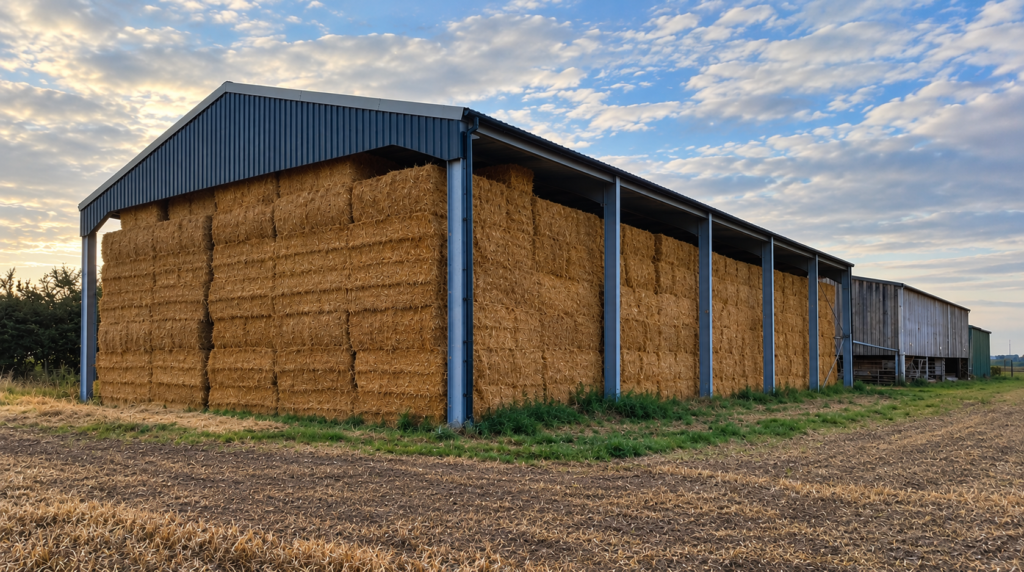
New Agricultural Buildings

Understanding the right route early saves time later. We can assist with prior notification applications, also known as a 28-day Notice. This application is submitted based upon permitted development rights under Class A and can allow for new buildings up to 1,000 m², subject to meeting certain criteria.

Where projects fall outside of these criteria, full planning permission can be submitted. These applications require additional supporting documents and typically involve a longer determination period.

Agricultural / Rural Workers Dwellings

Justifying the Need. Securing the Outcome.

Planning policy is generally supportive of new dwellings where there is an essential need for a full-time agricultural worker to be housed on site.

In addition to standard reports, these applications require a detailed overview of the farming business and clear justification for the proposed dwelling. It’s getting the detail behind the business right, that really supports the application.

Change of Use

Change of use can often be achieved through permitted development rights, such as:

  • Class Q (agricultural to residential)
  • Class R (agricultural to commercial

In some cases, a full planning application may offer greater flexibility than permitted development routes. We’re here to make your existing assets work harder for you.


Diversification Projects

Diversification remains one of the most effective ways to generate additional income for your land. From biomass boilers and other renewable projects through to dog walking fields and farm shops, we can assist with securing planning for your farm diversification project.

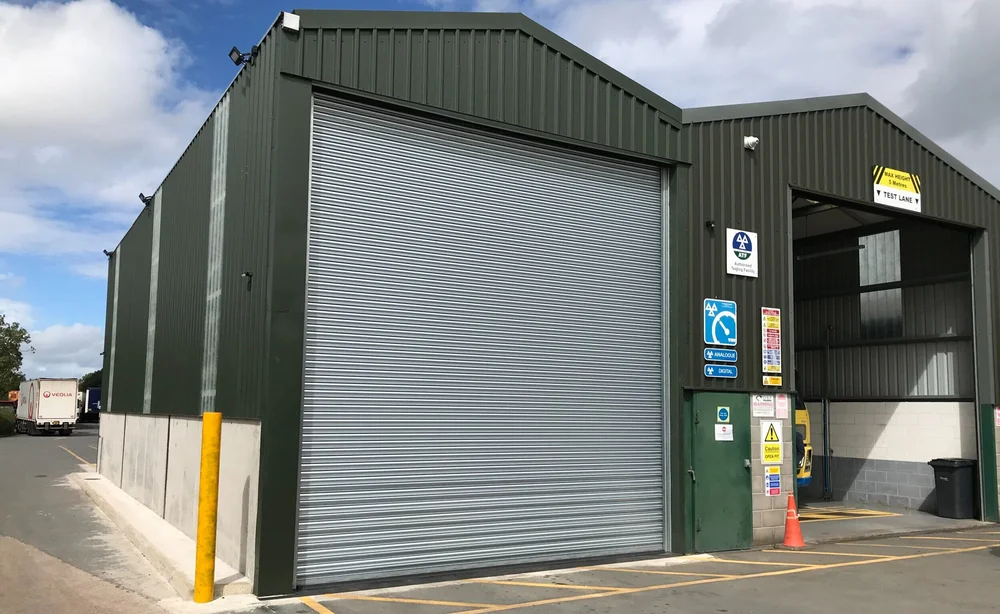
New MOT testing bay

Residential Projects

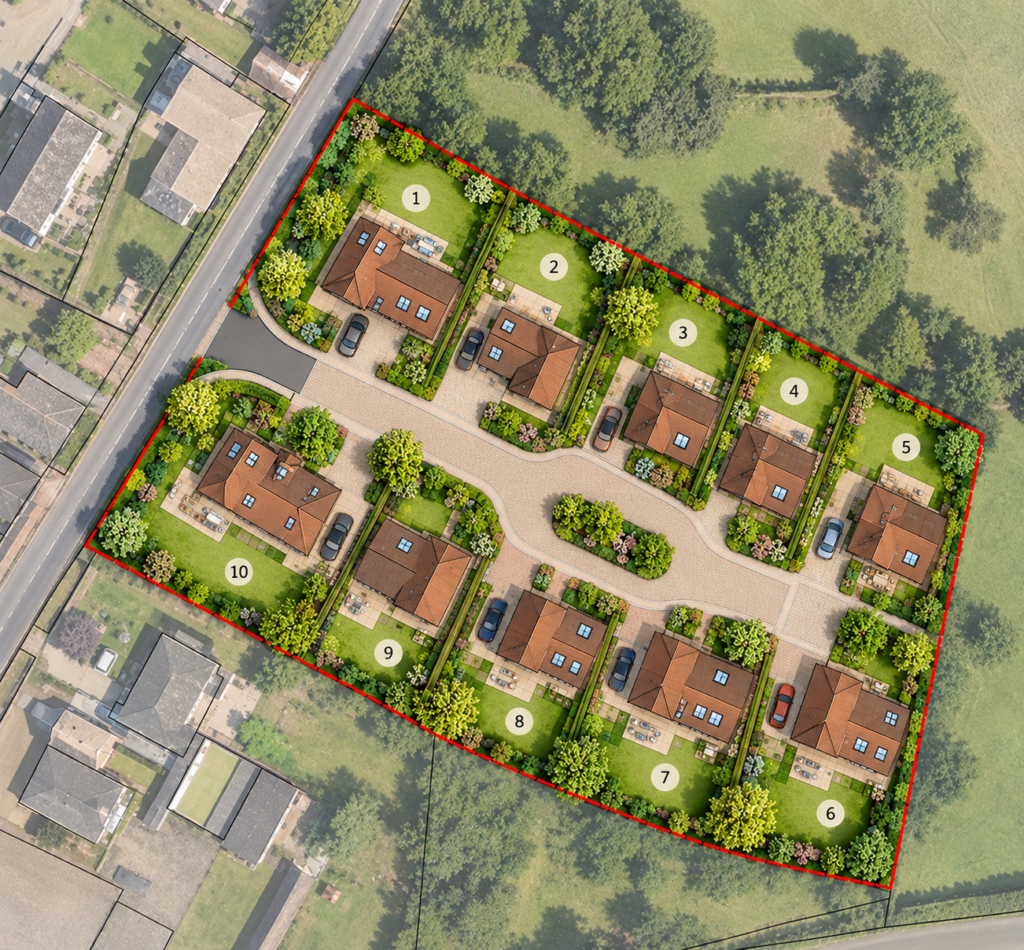
Whether it’s a single plot or a larger housing scheme, we provide clear advice on planning prospects and guide projects through to consent, so you can understand the potential before you commit.

Self-Build Plots

There are several routes available for this, including open market, agricultural worker and rural exception site dwellings. We advise on the most appropriate option for you.

Larger Scale Developments

Where land sits on the edge of a settlement, larger-scale residential development may be possible through open market or rural exception routes.


Householder Consents

Most residential properties benefit from permitted development rights, allowing for certain extensions, alterations and outbuildings without formal planning consent – subject to restrictions. For projects that fall outside of this scope, full householder applications can be submitted, ensuring proposals remain appropriate to the existing dwelling. Understanding your rights before you build makes a big difference.

Listed Buildings & Conservation Areas

Alterations require listed building consent alongside full planning applications, supported by appropriate heritage assessments. These projects are about balancing development with historic and conservation considerations.

Commercial Development

We support both expansion of existing operations and new commercial ventures, helping move businesses forward, not hold them back.

Change of Use Applications

Permitted development rights allow certain changes, while full consent can be applied for where a project falls outside of these rights. We understand where flexibility exists.

New Commercial Buildings

Planning policy supports development that delivers economic benefit, provided impact on surroundings is carefully managed. We’ll demonstrate value to secure approval.

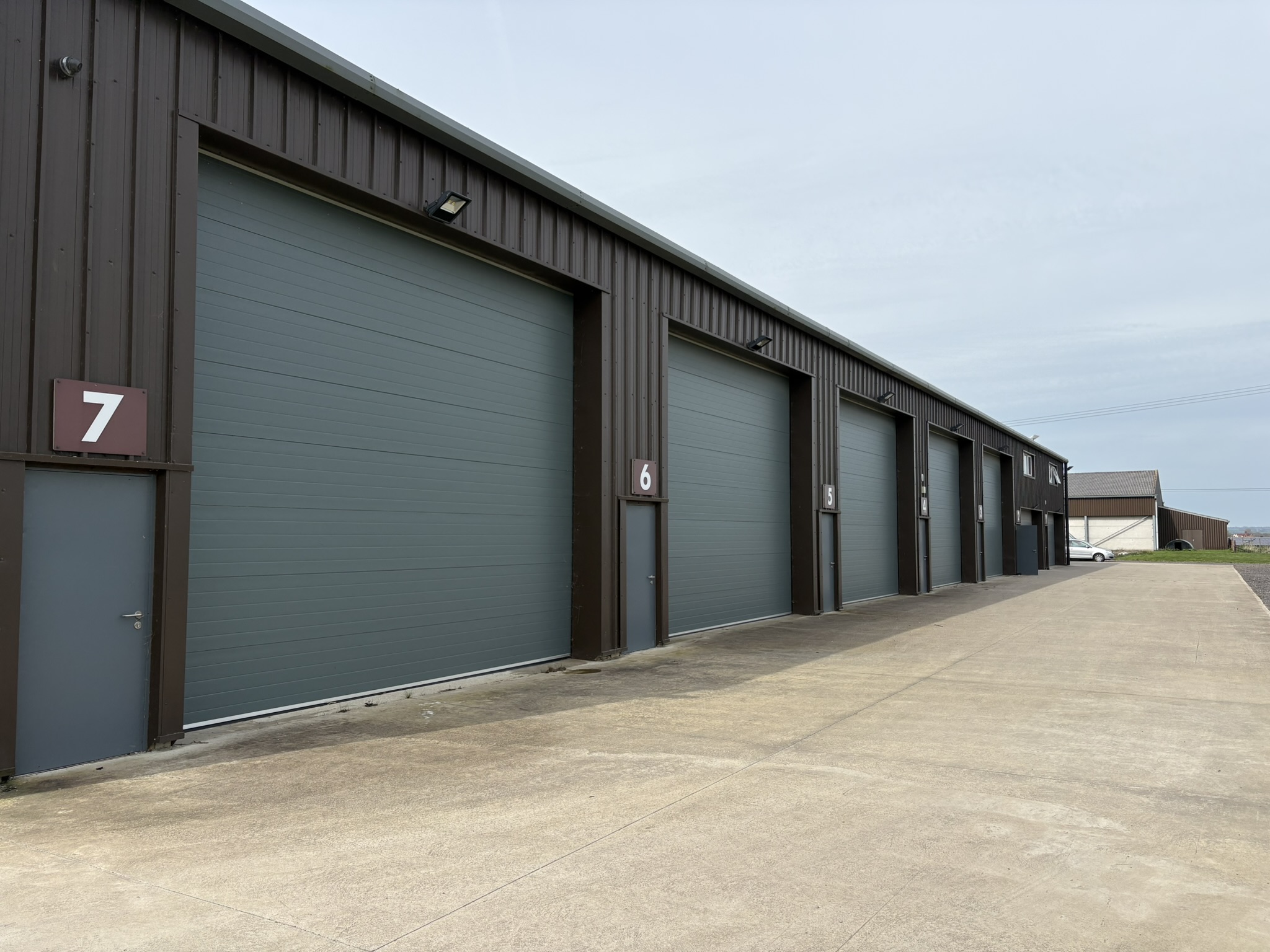
Commercial build

Retrospective Planning

If development has taken place without consent, we can assist through retrospective applications or lawful development certificates.

What’s the difference?

·      A retrospective application is used to avoid or resolve planning enforcement actions. It needs to demonstrate that the project meets policy requirements, and some additional mitigation measures might be required. Permitted Development rights cannot be applied for retrospectively.

·      A lawful development certificate confirms that development is lawful and does not need, or no longer needs, planning permission. This gives peace of mind that the proposal is immune from future enforcement.

It’s better to plan ahead, but we’re here to help afterwards when needed!

Design & Project Management

Coordinated From Start to Finish

Bringing everything together to keep projects moving!

We provide full drawing and coordination services, from initial concepts through to planning and building regulations.

We also manage all required supporting reports, ensuring applications are complete and well-positioned.

These reports include:

·      Ecology / Biodiversity Net Gain (BNG) calculations

·      Arboricultural Assessment

·      Civil and / or Structural Engineer Reports

·      Heritage Statement / Impact Assessments

·      Landscape Visual Impact Assessments

·      Flood Risk Assessment

·      Transport Statement / Assessment

·      Contamination Report

·      Noise Impact Assessment

·      Archaeological Assessment


CIL & Section 106

Managing Costs and Obligations – Understanding the numbers early can make a significant difference.

Certain developments are subject to Community Infrastructure Levy (CIL) and Section 106 agreements. These agreements can add significant costs to a project and we can assist with negotiations to reduce or remove these costs where possible.

What are they?

·      Community Infrastructure Levy (CIL) is a planning charge imposed by local authorities to fund infrastructure like schools, roads, and flood defences.

·      Section 106 agreements make it possible to approve a planning proposal that might not otherwise be acceptable.

Get in touch with our team.

We’d love to hear from you.

Keep up to date with the latest developments at Howie, Kent and Co

Name(Required)
I am interested in

By subscribing to this newsletter you are agreeing to be added to our mailing list. You can unsubscribe at any time.